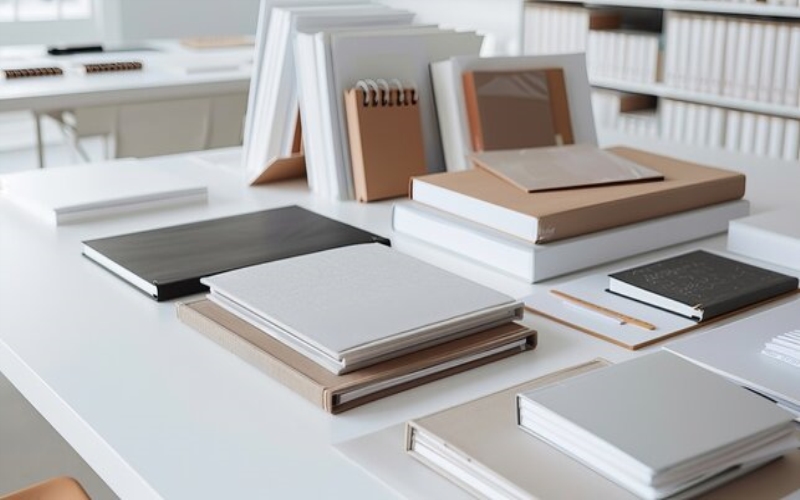
Introduction to Bookbinding
Bookbinding is not just a practical art; it’s a bridge between words and their physical form. Whether you’re an author, artist, or hobbyist, the quality of a book is often as important as its content. Book printing services play a crucial role in ensuring the quality and durability of your book, transforming ideas into tangible pieces of art. How a book is bound can impact its longevity, usability, and the reader’s engagement with the content. Bookbinding ensures a book’s durability and aesthetic appeal, enhancing the reader’s experience. This guide will introduce you to various bookbinding techniques and tips for creating beautiful and durable books.
Popular Bookbinding Techniques
Several bookbinding techniques exist, each with distinct characteristics, advantages, and applications. Some popular methods include:
- Perfect Binding: Commonly used in paperback books, where sheets are glued together at the spine. This technique is economical and efficient, making it popular for mass-produced books. However, it might not be as durable as other methods if not done correctly.
- Saddle Stitching: This is perfect for brochures, with pages stapled along the crease. It is an uncomplicated and economical technique ideal for smaller booklets and zines. The main restriction is the page capacity, which is unsuitable for thicker publications.
- Case Binding: It is often used for hardcover books, where pages are sewn together and enclosed in a stiff cover. This method is known for its durability and is often used for high-quality, long-lasting books such as coffee table books and academic works.
Choosing the correct technique depends mainly on the intended use, budget, and aesthetic preferences.
Essential Materials and Tools
Adequate materials and tools are essential for a bookbinding project’s success. Necessary supplies include durable paper, strong covers, glue, needles, thread, and precise cutting tools. The quality of these materials can significantly impact the final product’s durability and appearance.
Using archival-quality paper, for instance, guarantees that the pages will not degrade over time. In the same way, solid glues and stitches help support the book’s overall structure. A complete set of tools is essential. Although it may be expensive at first, investing in top-notch tools and materials for bookmaking ultimately proves worthwhile due to the superior quality and longevity of the end product.
Step-by-Step Guide to Basic Bookbinding
Now, let’s walk through a basic bookbinding process that will set you on the path to creating your beautiful books. Here is a simple guide to get you started:
- Gather Materials: Prepare the required materials and tools, which include paper, cover material, glue, and binding supplies such as needles and thread.
- Cut Paper: Trim your paper to the desired size for the book pages. Ensure all pages are cut evenly to maintain a professional look. You may use a paper cutter for precision.
- Prepare the Cover: Cut your cover material to fit the book’s dimensions, adding a slight overhang to protect the inner pages. The cover can be made from various materials, including leather, cardboard, or fabric.
- Assemble: Attach the pages to the cover using your chosen method (e.g., glue, stitching). If you’re using glue, ensure it is evenly applied and allowed to dry completely. For stitching, ensure the thread is pulled tight but not so tight that it tears the paper.
- Finish: Allow the book to set and dry thoroughly before use. Depending on the materials and adhesives used, this might take a few hours to a day. Once dry, check for loose ends or unmarred surfaces and make final adjustments if necessary.
Exploring Advanced Techniques
For those interested in elevating their bookbinding skills, advanced techniques like Coptic stitch binding, Japanese stab binding, and leather tooling can add unique elements to your projects. These advanced techniques require more precision and practice, resulting in highly durable and visually stunning books.
Coptic stitch binding, for instance, involves sewing paper signatures together so that the book lies flat when open. Japanese stab binding involves sewing through stacked pages with a decorative pattern. Leather tooling allows intricate designs to be embossed on leather covers, adding a touch of luxury and uniqueness to the books.
Experimenting with these techniques can breathe new life into your bookbinding projects and allow for greater creativity and expression in your work.
Tips and Best Practices for Bookbinding
To achieve the best results in your bookbinding projects, consider these tips and best practices:
- Choose Quality Materials: Choose archival-quality paper and strong adhesive to ensure longevity. High-quality materials are the foundation of a durable and aesthetically pleasing book.
- Practice Precision: Accurate measurements and cuts are vital for professional-looking results. Use rulers, grids, and cutting mats to ensure precision in every step.
- Keep Tools Sharp: Regularly maintain and sharpen cutting tools to avoid jagged edges and mistakes. Sharp tools make neat cuts, contributing to the book’s overall professional look.
- Work Patiently: Take your time, especially during drying, to avoid rushing and potential mistakes. Patience is critical to ensuring that all book components adhere correctly and that the final product is sturdy and well-crafted.
Implementing these practices will help you achieve more consistent and higher-quality bookbinding results.
Final Thoughts
Bookbinding is an intricate craft that combines artistry and practical skills. With the proper techniques, materials, and dedication, anyone can create beautiful, durable books. Whether you’re professional projects or personal enjoyment, the result will be satisfying and cherished by readers.
The art of bookbinding has a rich history and a promising future. By mastering basic and advanced techniques and following best practices, you can produce books that stand the test of time and provide a unique, hands-on touch to your written works.