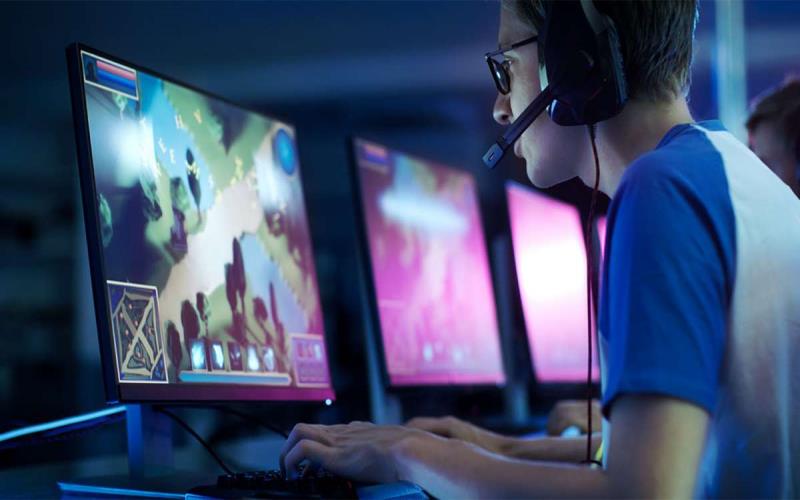
Streaming online slot vigor 77 has become a popular way for gamers to share their gameplay experiences with a global audience. Whether you want to build a community, showcase your skills, or simply entertain others, streaming can be a rewarding endeavor. This step-by-step guide will walk you through everything you need to know to start streaming online games, from setting up your equipment to going live.
Step 1: Choose Your Platform
The first step in starting your streaming journey is choosing the platform where you will broadcast your gameplay. The most popular streaming platforms are:
Twitch: The largest and most popular platform for gaming streams, offering a wide range of features for streamers and viewers.
YouTube Gaming: Integrated with YouTube, this platform allows you to reach your existing YouTube audience and benefit from the site’s robust video hosting capabilities.
Facebook Gaming: A growing platform that integrates with your Facebook account, making it easy to share your streams with friends and followers.
Mixer (formerly): Though Mixer is no longer available, other niche platforms like Caffeine and DLive offer alternatives for those looking for smaller communities.
Choose the platform that best suits your needs and audience. Each has its unique features, so explore them to find the best fit for you.
Step 2: Set Up Your Streaming Equipment
To start streaming, you will need some essential equipment:
Computer or Console: Ensure you have a capable gaming PC or console (PlayStation, Xbox) that can handle both gaming and streaming simultaneously.
Internet Connection: A stable and fast internet connection is crucial. Aim for at least a 5 Mbps upload speed for a smooth streaming experience.
Webcam: While optional, a webcam adds a personal touch to your stream by allowing viewers to see your reactions.
Microphone: Good audio quality is essential for engaging streams. Invest in a quality microphone to ensure clear communication with your audience.
Streaming Software: Popular choices include OBS Studio (Open Broadcaster Software), Streamlabs OBS, and XSplit. These programs help you capture and broadcast your gameplay.
Step 3: Configure Your Streaming Software
Once you have your equipment, the next step is to set up your streaming software. Here’s how to get started with OBS Studio, one of the most popular options:
Download and Install OBS Studio: Visit the OBS website and download the software for your operating system. Follow the installation instructions.
Open OBS Studio and Configure Settings:
Stream Settings: Go to File > Settings > Stream and select your streaming platform. Enter your stream key, which you can find in your streaming platform’s dashboard.
Video Settings: Configure your base (canvas) resolution and output (scaled) resolution. A common setup is 1920×1080 for base resolution and 1280×720 for output resolution. Set the FPS (frames per second) to 30 or 60, depending on your internet speed and hardware capabilities.
Audio Settings: Ensure your microphone and desktop audio are set up correctly in the Audio tab. Test your audio levels to avoid clipping and ensure clarity.
Add Sources: In the main OBS interface, add your sources:
Game Capture: Select Add > Game Capture to capture your gameplay.
Webcam: Select Add > Video Capture Device to add your webcam.
Overlays and Alerts: Use Add > Image or Browser Source to include overlays, alerts, and other graphics.
Step 4: Customize Your Stream
Customizing your stream helps you stand out and create a unique brand. Consider the following elements:
Overlays: Design or download overlays that match your style. These can include borders around your webcam, recent follower/subscriber alerts, and stream labels.
Alerts: Use alert services like Streamlabs or StreamElements to create notifications for new followers, subscribers, donations, and more.
Chat Bot: Implement a chat bot to moderate your chat, provide information, and engage with your viewers. Popular options include Nightbot and slot 77 claudiodangelis.com.
Step 5: Test Your Stream
Before going live, run a few test streams to ensure everything is working correctly. Check your video and audio quality, test your internet connection, and make sure all your overlays and alerts are functioning as expected. This step helps you troubleshoot any issues and make necessary adjustments.
Step 6: Going Live
Once you’re ready, it’s time to go live. Here’s how to start streaming on most platforms:
Open OBS Studio: Ensure all your sources are correctly set up and visible in the preview window.
Start Streaming: Click the Start Streaming button in OBS Studio.
Monitor Your Stream: Use your streaming platform’s dashboard to monitor chat, viewer count, and stream health. Engage with your audience by responding to chat messages and acknowledging new followers or subscribers.
Step 7: Promote Your Stream
To build an audience, you need to promote your stream. Here are some tips:
Social Media: Share your streaming schedule and live notifications on platforms like Twitter, Instagram, and Facebook.
Networking: Connect with other streamers and join online communities related to your games. Collaboration and cross-promotion can help you reach new viewers.
Consistency: Stream regularly and maintain a consistent schedule to build a loyal audience. Let your viewers know when they can expect you to be live.
Step 8: Engage with Your Audience
Engagement is key to a successful stream. Interact with your viewers, ask for their opinions, and make them feel like part of the community. Consider running viewer games, Q&A sessions, and giveaways to keep your audience entertained and engaged.
Step 9: Analyze and Improve
After each stream, review your performance. Platforms like Twitch and YouTube provide analytics that can help you understand your audience and improve your streams. Look at metrics such as viewer count, chat activity, and peak times. Use this data to refine your content and streaming strategy.
Conclusion
Streaming online games can be a fun and rewarding way to share your gaming experiences with others. By following this step-by-step guide, you can set up your stream, engage with an audience, and grow your community. Remember that success in streaming takes time and dedication, so stay consistent, keep improving, and most importantly, have fun. Happy streaming!