
The fact that getting a tattoo can be painful is not a secret. The process involves getting your skin pierced by a needle up to 2000 times per minute, so of course, it’s going to hurt. But the beauty in the result is worth the pain involved. The pain you might experience during the process differs from person to person and depends on the tattoo’s location.
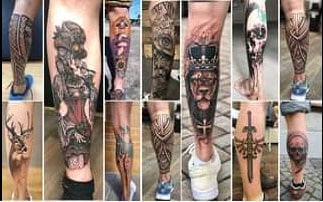
This tattoo can be positioned anywhere in the upper or lower leg region, and either choose your right or left leg, and it can come in different designs.
The calf is a very sensitive part of the body, and areas with more flesh are usually less painful than those with more bones and nerves. However, people tend to experience a lot of pain while walking after getting a tattoo on their calf. This article discusses the tattoo on the calf and why it hurts to walk after getting a calf tattoo.
Table of Contents
Does Getting A Calf Tattoo Hurt?
Yes. Calf tattooing does involve some pain; most describe it as an ongoing stinging or pinpricking sensation similar to a mild burn. Individual tolerance varies and, depending on muscle content, may make the experience less uncomfortable than in bony areas. Additionally, a local anesthetic is used during this process for added comfort.
Reasons Calf Tattoo Hurts to Walk with
The calf tattoo hurts to walk with for several reasons, one of them being that the leg is always in motion, and during these motions, the calf muscle is pulled up to allow the body’s forward motion. This is required for walking, running, and jumping. Imagine having an open injury in this area and constantly being in motion; you bet it will sting.
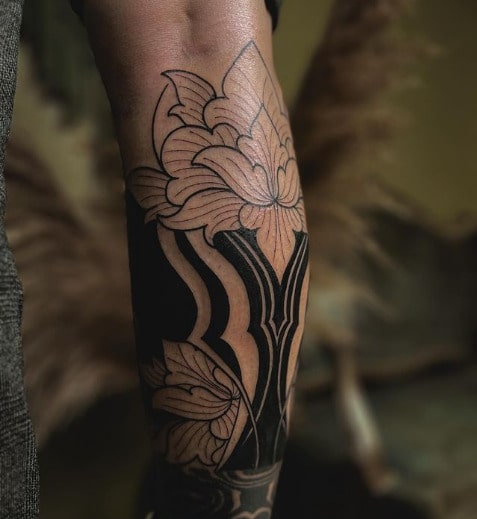
Other reasons might also contribute to the pain you experience while walking after a calf tattoo. Some of these reasons include:
1. Swelling of the tattoo wound:
A new tattoo is essentially a fresh wound, and of course, when an injury swells, it hurts. Applying pressure on your calf while walking causes the injury to swell, making it hurt as the brain registers the pain.
2. Infection:
Infections are a common occurrence in new tattoos. Lack of proper aftercare might result in an infection since the tattoo is still an open injury until it is fully healed. Once the tattoo is infected, it will hurt with pressure applied while walking. If this is the case, it’s best to visit your doctor for proper treatment.
3. Too much motion:
After getting a new tattoo on your calf or anywhere on your leg, reducing the amount of pressure you put on your leg is advisable. By constantly being in motion, you apply pressure to the injury, causing it to swell and reopen, resulting in a painful sensation when you walk.
4. Age factor:
As you get older, the blood circulation in your body is different, and the amount of time it takes your body to heal is relatively longer. An older person is more likely to get injured more easily than a young person. For example, for an older adult, a tattoo might take longer to heal, which might result in your calf hurting whenever you attempt to walk.
5. Poor After Care:
After getting a tattoo, the tattoo artist gives instructions on properly caring for your new tattoo to avoid infections and relieve pain. Your tattoo might hurt because you failed to adhere to the instructions strictly, resulting in infection and pain. Keeping the tattoo covered with the bandage for too long might also result in pain.
6. Weight and build of The Person:
Heavy people will likely have loose skin, which can cause pain on the tattoo if you attempt to walk with it. Also, people with little body fat might experience more pain because tattoos on areas with little or no flesh hurt as they are closer to the nerve and endings, which shoot more pain through the body when they are pierced.
7. Reaction to Trauma:
Having your skin pierced continually without anesthetics is easily comparable to getting an operation with an anesthetic. This can cause much pain as the body copes with the intrusion.
8. Lack of Prior Experience:
If you’re getting a tattoo for the first time, of course, it’s going to hurt since your body is not used to such a high amount of pain.
9. Pain threshold:
Every individual has a different threshold of pain. This is the amount of pain your body can endure. If your pain threshold is low, you will likely experience more discomfort than others.
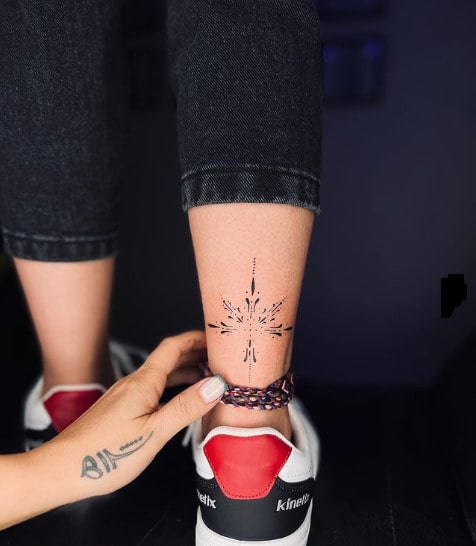
Different types of pain and discomfort you might experience with a calf tattoo and what they mean.
Here are some of the pains you might experience generally if you do a leg tattoo:
1. Burning sensation
If you feel a burning sensation on or around the area of your tattoo, it simply means that the tattoo still feels raw and is probably sensitive. In this situation, the best thing to do is to apply ointment or any moisturizer substances on the surface and drink more water to keep your body hydrated.
2. Numbness
Sometimes, the area around the tattoo feels numb. This is not bad; it is a sign that the tattoo is healing properly. Sometimes, the pain increases remarkably; in this instance, you could try elevating the leg with a pillow.
3. Itching Pain
Itching is common with every healing injury, and the same applies to the tattoo healing process. As the tattoo dries out, you might experience an itching pain and a huge urge to scratch on the surface. However, it is best to avoid scratching on it because it might lead to scarring and even more pain as the healing period extends.
4. Sharp Or Stinging Pain
This is one of the worst pains you experience during the whole healing process of your tattoo. It usually starts immediately after the tattoo is drawn, and the injury remains fresh; it reduces as the tattoo heals. You can use pain relief medications and creams to help with the pain and also see your doctor if the pain continues for too long.
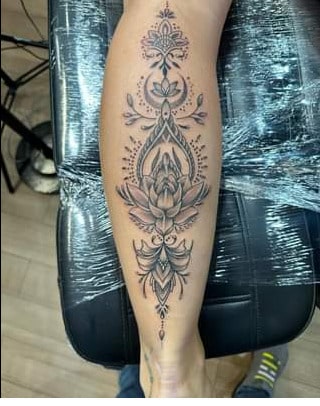
How long will it take for a calf tattoo to heal?
Usually, a tattoo on any leg part can take anywhere from two weeks and even up to two months or more to heal completely. This is completely normal. You can practice good aftercare and hygiene and adhere to the instructions from your tattoo artist to help the healing process along.
Can I Wear Jeans After a Calf Tattoo?
After getting a calf tattoo, wearing jeans immediately may irritate and could interfere with its healing process. Sweatpants or shorts are better choices during these initial post-tattoo days for maximum comfort and healing.
How to take care of your calf tattoo to reduce the amount of pain you experience
Although the pain experienced after getting a tattoo cannot be completely avoided, there are some practices you can observe to help reduce the pain and help the tattoo heal faster. Some of the practices are discussed below:
1. Avoid Exercises until the tattoo is healed:
Keeping fit and living healthy is an essential part of life; however, for the first few weeks after getting a calf tattoo, reducing the amount of pressure you place on your leg is advisable. This means less running and walking and less time on your feet. You can return to your normal routine as soon as your tattoo heals.
2. Exposing your tattoo to sunlight:
Sun exposure is not advisable for new tattoos because continually exposing your tattoo to the sun exposes it to UV rays that can bleach the pigments of the ink, causing your tattoo to fade and become invisible. The best thing to do is wear clothes that cover the tattoo area and protect it from the sun.
3. Avoid wearing tight-fitted clothes:
Wearing tight clothes on a new tattoo is not advisable, as the clothes rub against the surface and might delay healing. Also, these clothes might cause you to sweat and irritate the surface of the fresh tattoo, causing you to experience discomfort and irritation around the area of the tattoo.
4. Avoid getting the tattoo wet or soaked in water:
Endeavor to keep your new tattoo dry during the healing process. A wet flesh surface is the perfect breeding ground for bacteria, which might lead to an infection. Avoid swimming and excessively long baths during the first few weeks after getting the tattoo.
Conclusion: Leg Tattoo
Like any other tattoo, a calf tattoo hurts during the first days after it is drawn. Because the tattoo is on the legs, the pressure applied to the leg makes walking painful. Using pain relievers and ointment can help reduce the pain the pressure of walking inflicts on the body.
Also, the amount of pain you might experience with a calf tattoo differs for everybody. People with a low pain tolerance threshold and those with no prior experience with tattoos might experience more pain compared to others with more experience with tattoos and a higher pain threshold. We hope you find this article helpful. Please help us share it.