
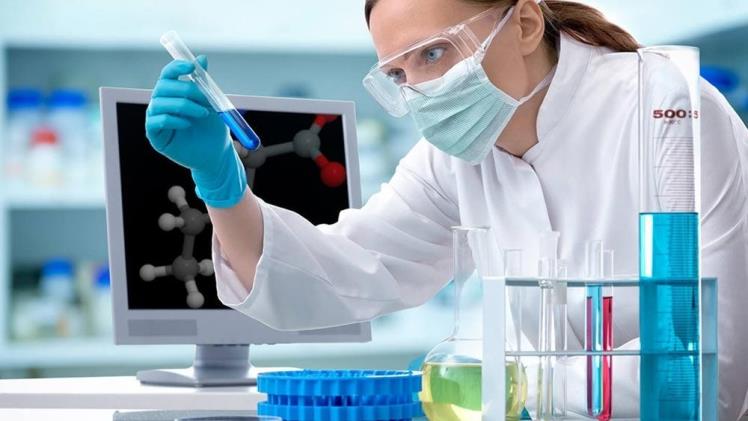
When exploring the world of CBD products, understanding their potency is crucial to making informed choices. CBD potency testing labs play a vital role in ensuring product quality by measuring the strength of cannabinoids like CBD and THC in cannabis-based products. These tests help consumers confirm what they are purchasing and ensure that they receive the expected benefits from their CBD products.
The testing process typically involves using advanced techniques, such as High-Performance Liquid Chromatography (HPLC), to analyze samples without needing heat. This allows for accurate measurements of various cannabinoids, giving you confidence in the potency of your products. By relying on certified labs, you can trust that your hemp-derived items are safe, effective, and truly reflect the labeled content.
In an industry marked by rapid growth and varying standards, consumer education is essential. Knowing the importance of CBD potency testing can empower you to make better decisions and enhance your overall experience with cannabis products. With verified lab results, you can enjoy peace of mind and a deeper understanding of what you are using.
Overview of CBD Potency Testing
CBD potency testing is essential for ensuring the safety, quality, and compliance of cannabis products. This process involves various methodologies to analyze the chemical make-up of products, allowing consumers and patients to make informed decisions. Understanding these aspects can help you navigate the complexities of CBD products available in the market.
Importance of CBD Testing for Safety and Compliance
Testing CBD products is crucial for safety and regulatory compliance. It ensures that products meet legal standards and contain accurate levels of cannabinoids, such as CBD and THC. Many regions, including New Jersey and California, require third-party testing to verify potency and ensure the absence of harmful substances.
Key elements of testing include:
- Heavy Metals: Testing for elements like lead and arsenic.
- Pesticides: Ensuring products are free from harmful chemicals.
- Residual Solvents: Verifying extraction processes leave no harmful traces.
Having a Certificate of Analysis (COA) for each product helps consumers feel secure about what they are using.
Core Methodologies in Potency Testing
Several methodologies are employed in CBD potency testing, with High-Performance Liquid Chromatography (HPLC) being one of the most common. HPLC allows for accurate measurement of cannabinoids without needing heat, which preserves the integrity of the compounds.
Other methods include gas chromatography, often used for analyzing volatile substances. Each method provides different insights into the product’s composition and effectiveness.
Common methodologies include:
- HPLC: Ideal for non-volatile samples, maintaining sample quality.
- Gas Chromatography: Useful for extracting detailed profiles of terpenes and cannabinoids.
These methods help labs produce reliable data, ensuring consumers receive safe products.
Understanding Cannabinoid Profiles
Cannabinoid profiles indicate the presence and concentration of various cannabinoids and terpenes in a CBD product. Common cannabinoids include cannabidiol (CBD), tetrahydrocannabinol (THC), cannabinol (CBN), and cannabigerol (CBG). Each compound serves different purposes and effects.
A clear cannabinoid profile allows you to choose the right product for your needs. Terpenes, which provide unique flavors and aromas, can also enhance the therapeutic effects of cannabinoids.
Key cannabinoids to know:
- CBD: Non-psychoactive and often used for wellness.
- THC: Psychoactive and used for its euphoric effects.
- CBN and CBG: Emerging cannabinoids with potential health benefits.
Understanding these profiles is vital for informed consumer choices in the CBD market.
Advanced Considerations in CBD Potency Testing
When testing CBD potency, there are important factors to consider. Challenges arise from the variety of cannabis products. Accuracy in testing methods is essential. Environmental conditions can also affect the quality of the product.
Challenges in Testing Different Cannabis Products
Different cannabis products, like edibles, topicals, and concentrates, present unique challenges. Each product type can have a distinct composition that affects how cannabinoids are extracted and measured. For example, THC and CBD levels can vary based on the product form, making it critical to use appropriate testing methods.
Using Ultra High-Performance Liquid Chromatography (HPLC) is common, but the process may differ for flower versus edibles. Some products might require specific conditions to prevent degradation of cannabinoids during testing. Understanding these differences can ensure more accurate results.
Ensuring Accuracy and Reliability of Test Results
To ensure consistent and trustworthy test results, using a third-party lab is essential. Labs like True Labs for Cannabis follow strict protocols to measure cannabinoid potency. They employ advanced technology, including diode array detectors, to enhance accuracy.
Regular calibration of equipment and participation in proficiency testing can help maintain quality. A clean and regulated lab environment reduces contamination risks. Safety measures must be in place to ensure that equipment remains free from mold and mildew, which can alter test outcomes.
Navigating Environmental Factors Impacting Cannabis Quality
Environmental conditions significantly influence cannabis quality. Factors such as moisture, humidity, and temperature must be controlled. Excess moisture can lead to mold growth, while high temperatures can degrade cannabinoids.
To maintain product integrity, you should store cannabis products in a controlled environment. Implementing proper packaging techniques can also help protect against humidity fluctuations. Understanding these impacts is vital for achieving accurate potency testing results.